Source leather password book for School, Gift, and Promotion
Compare 30 leather password book options from verified Chinese manufacturers. Buyers can evaluate features like mechanical locks, hard covers, and custom logos for school, gift, and promotion uses.
Key considerations
Products List


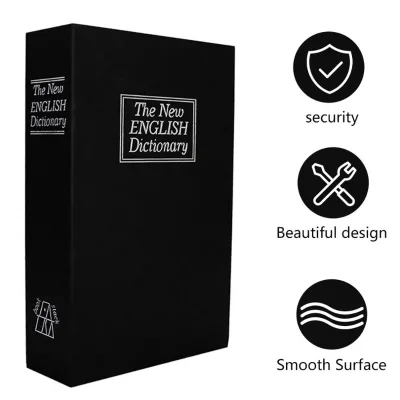
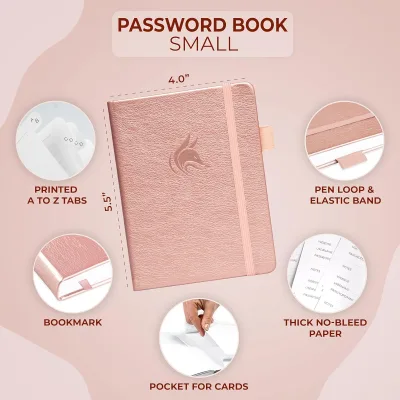


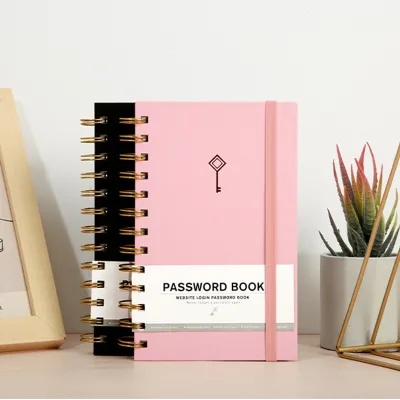
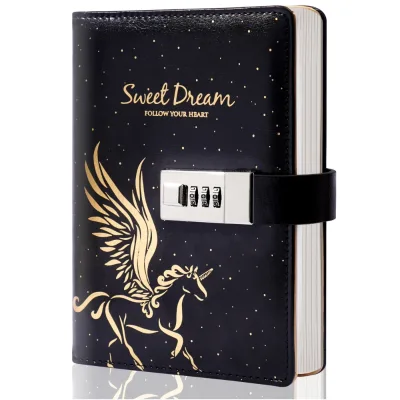

Comprehensive Sourcing Guide
Leather Password Book Sourcing Guide
Sourcing a leather password book requires balancing aesthetic durability with functional security, particularly when selecting between traditional diary-style formats and specialized steel lockboxes. The market offers a diverse range of products, from soft-cover PU leather journals with mechanical locks to rigid steel safes designed for high-security document storage. Buyers must first determine whether their primary need is organizational convenience for everyday use or robust protection against theft and environmental damage. This distinction drives the selection of materials, locking mechanisms, and compliance standards, ensuring that the final procurement aligns with the specific risk profile and usage environment of the end-user.
The procurement process involves navigating a wide spectrum of product attributes, including binding types, cover materials, and internal page configurations. While some listings emphasize customizable branding and offset printing for promotional use, others focus on industrial-grade features like fireproofing, antimagnetic properties, and high security levels. Understanding these variations is critical for establishing accurate technical specifications and commercial terms. Buyers should approach supplier communications with a clear definition of their requirements, distinguishing between cosmetic customization options and essential security features to avoid misalignment in product delivery and performance expectations.
Product Scope and Observed Listing Signals
The observed product landscape reveals a significant divergence in form factors, ranging from A5-sized PU leather diaries to compact steel lockboxes with precise dimensional constraints. Listings indicate that products may feature hard covers, loose leaf bindings, or sewing thread constructions, catering to different user preferences for flexibility and durability. For instance, some items are marketed as pocket-sized gifts or promotional tools with horizontal line printing, while others are engineered as commercial-grade safes with single doors and mechanical password locks. This variety suggests that the "leather password book" category encompasses both consumer-oriented organizational tools and professional security devices, requiring buyers to carefully filter listings based on intended application.
Material composition and surface finishes also vary widely across available options, influencing both the tactile experience and long-term resilience of the product. Common materials include PU leather for aesthetic appeal and steel plate for structural integrity, with surface finishes such as varnishing applied to enhance durability. Internal configurations typically offer between 80 to 120 sheets, providing ample space for recording sensitive information. Additionally, some products are designed with recyclable standards or specific export packaging, indicating a focus on sustainability and logistics efficiency. Buyers should verify these physical attributes against their specific needs, ensuring that the chosen product meets both functional requirements and aesthetic preferences.
Technical Specifications to Verify
When evaluating technical specifications, buyers must prioritize the locking mechanism and security level, as these are critical for protecting sensitive data. Mechanical password locks are commonly observed, operating on principles that do not require batteries or electronic components, thereby ensuring reliability in various environments. For higher security needs, products may offer a security level of C, indicating a robust resistance to unauthorized access. Additionally, features such as antimagnetic and fireproof capabilities provide an extra layer of protection against digital theft and environmental hazards. Buyers should verify the specific working principle of the lock and the certified security level to ensure it meets their risk mitigation requirements.
Dimensional accuracy and internal capacity are equally important factors that influence usability and storage efficiency. Standard sizes such as A5 are prevalent, but specific models may have precise dimensions like 18015565 mm or 26819043mm, which must be considered for portability and fit within existing storage solutions. The number of inner pages, typically ranging from 80 to 120 sheets, determines the volume of information that can be securely stored. Buyers should confirm the exact dimensions and page count for each model, ensuring that the product fits their physical space constraints and information management needs. Furthermore, the type of binding, whether loose leaf, wire binding, or sewing thread, affects the longevity and ease of use of the book.
Compliance and Safety Documentation
Compliance with international standards is essential for ensuring the safety and quality of password books, particularly those intended for commercial or home use. Certifications such as RoHS, ISO, CE, CCC, UL, and EMC indicate that products have undergone rigorous testing for environmental safety, electrical compliance, and electromagnetic compatibility. For steel lockboxes, additional certifications may be required to verify fireproof and antimagnetic properties, ensuring that sensitive documents are protected against specific threats. Buyers should request valid certification documents from suppliers to verify that the products meet the regulatory requirements of their target markets, avoiding potential legal and safety issues.
In addition to product-specific certifications, adherence to broader environmental and manufacturing standards is crucial for sustainable procurement. Some products are labeled as recyclable, reflecting a commitment to environmental responsibility throughout their lifecycle. Buyers should inquire about the sourcing of raw materials, such as PU leather or steel plate, and the manufacturing processes used to ensure they align with corporate sustainability goals. Verifying these standards not only mitigates regulatory risks but also enhances brand reputation by demonstrating a commitment to ethical and environmentally conscious sourcing practices.
Cost Drivers and Commercial Terms
Cost drivers for leather password books are influenced by material quality, locking mechanism complexity, and customization options. Products with steel plates and advanced security features, such as fireproofing and antimagnetic properties, typically command higher prices due to the increased manufacturing costs and specialized materials involved. Conversely, PU leather diaries with basic mechanical locks and standard printing may be more cost-effective, especially when ordered in larger quantities. Buyers should analyze the cost structure in relation to the required security level and aesthetic preferences, ensuring that they receive value for money without compromising on essential features.
Commercial terms, including minimum order quantities (MOQ) and packaging standards, also play a significant role in the overall procurement cost. MOQs can range from 10 to 10,000 pieces, with some suppliers offering flexible terms for customized orders. Packaging methods, such as OPP bags or standard export cartons, affect logistics costs and product protection during transit. Buyers should negotiate clear terms regarding pricing, payment methods, and delivery schedules, while also considering the impact of volume discounts and customization fees on the final cost. Establishing a transparent commercial agreement helps in budgeting accurately and avoiding unexpected expenses.
Supplier Qualification and Quality Control
Supplier qualification is a critical step in ensuring the reliability and consistency of the sourced products. Buyers should verify the supplier's manufacturing capabilities, including their experience with leather goods and security devices, as well as their ability to handle OEM and ODM requests. Factories located in regions like Fujian and Guangdong, China, are known for their expertise in producing a wide range of consumer and commercial goods. Buyers should conduct thorough due diligence, including site visits or third-party audits, to assess the supplier's quality management systems, production capacity, and ethical labor practices.
Quality control measures must be implemented throughout the production process to ensure that the final products meet the specified standards. This includes inspecting raw materials, monitoring manufacturing processes, and conducting final product checks for defects in locking mechanisms, binding, and surface finishes. Buyers should establish clear quality acceptance criteria and request pre-shipment inspections to verify that the products conform to the agreed-upon specifications. Implementing a robust quality control plan helps in minimizing defects, reducing returns, and maintaining customer satisfaction, thereby protecting the buyer's brand reputation.
Long-Term Procurement Checks
Long-term procurement success depends on establishing a sustainable supply chain that can adapt to changing market demands and regulatory requirements. Buyers should regularly review supplier performance, including delivery times, product quality, and responsiveness to issues, to identify areas for improvement. Building strong relationships with suppliers through open communication and collaborative problem-solving can lead to better pricing, priority production, and access to new product innovations. Additionally, staying informed about industry trends and technological advancements in security and materials can help buyers make informed decisions and maintain a competitive edge.
Continuous monitoring of compliance and certification status is essential to ensure ongoing adherence to legal and safety standards. Buyers should verify that suppliers maintain their certifications and update their products to meet evolving regulatory requirements. This includes staying informed about changes in environmental regulations, safety standards, and market-specific compliance needs. By proactively managing these aspects, buyers can mitigate risks, ensure product integrity, and support the long-term viability of their procurement strategy, ultimately delivering value to their end-users.
FAQs
What materials are used for leather password books?
These books typically feature PU covers and steel plate internal components for durability. The hard cover design protects the contents while the mechanical lock ensures security. Offset paper pages provide a smooth writing surface suitable for daily use in schools or offices.
Can I customize the logo on these password books?
Yes, customized logos are available for these diary-style books. OEM and ODM services are welcome to meet specific branding needs. You can choose from various colors like green or OEM options to align with your corporate identity or promotional requirements.
What certifications do these security books have?
These products hold multiple certifications including RoHS, ISO, CE, CCC, UL, and EMC. These standards ensure compliance with international safety and quality regulations. The recyclable nature of the packaging also supports environmentally responsible sourcing practices for global buyers.
What is the typical MOQ for these password books?
The minimum order quantity is generally 300 pieces, though ranges from 10 to 10,000 are observed. This flexibility allows for both small promotional orders and large commercial shipments. Buyers should confirm specific MOQs with suppliers based on customization levels and packaging requirements.
How does the mechanical lock work on these books?
The lock operates on a mechanical password working principle without electronic components. This design ensures reliable anti-theft protection and antimagnetic security. The single door structure with a steel plate interior provides robust protection for sensitive documents in home or commercial settings.
What are the standard sizes for these password books?
Standard sizes include A5 format and specific dimensions like 180x155x65 mm or 268x190x43 mm. The width is typically under 370mm and depth under 273mm. These compact dimensions make them suitable for pocket use, gifts, or school assignments.